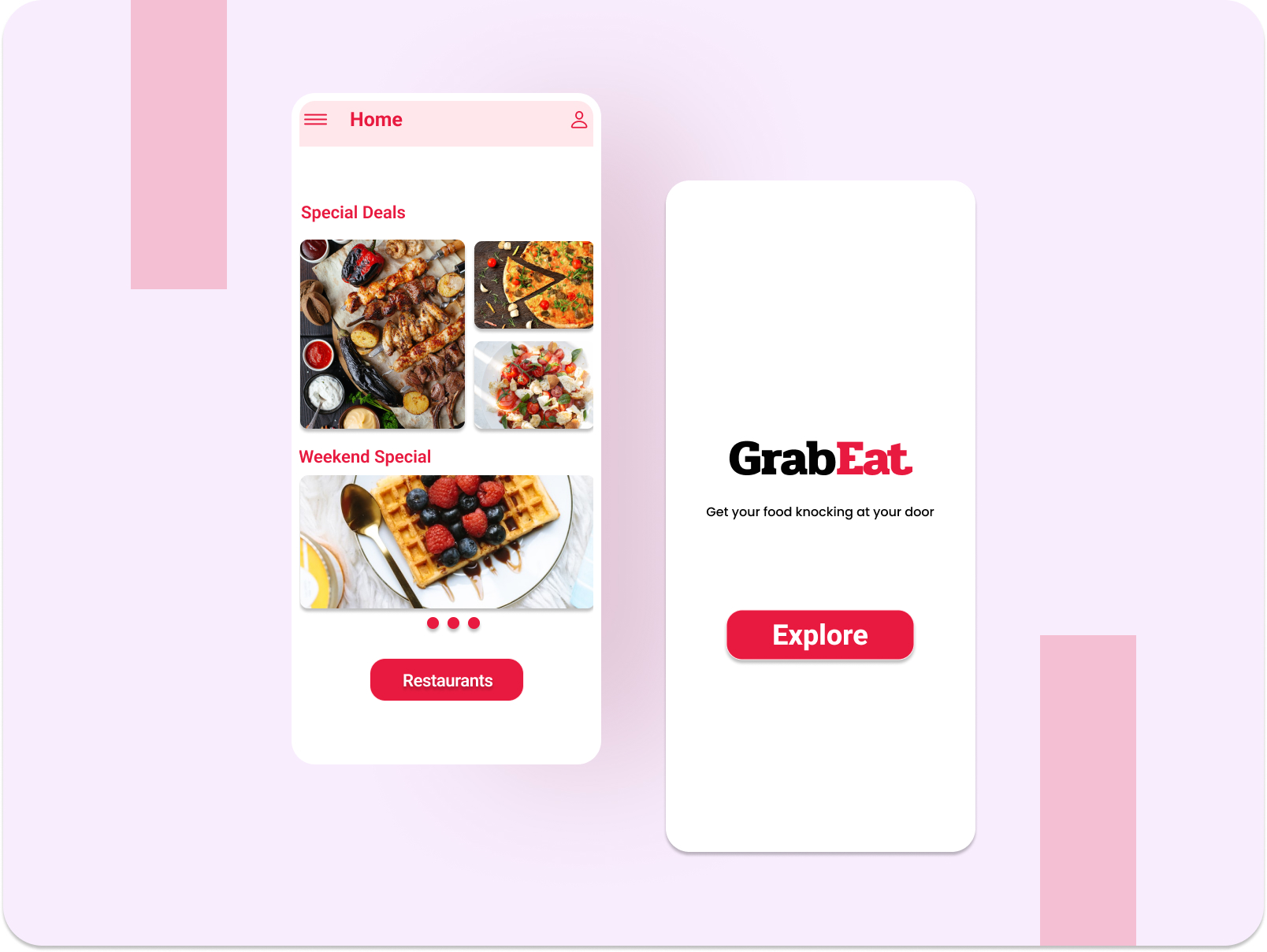
Welcome to my personal project showcase, where GrabEat—a food delivery service that promises to transform how consumers order and eat their favorite meals—is featured. GrabEat, which I developed for my Google UX design course, is an example of my ability to produce user-centered designs that put emphasis on seamless experiences.
Create an app that is simple to use and intuitive so that users can quickly browse, choose, and order their favorite dishes from a variety of restaurants.
To ensure a smooth user experience from beginning to end, I obtained the primary role in designing and developing the GrabEat app as a UX designer.
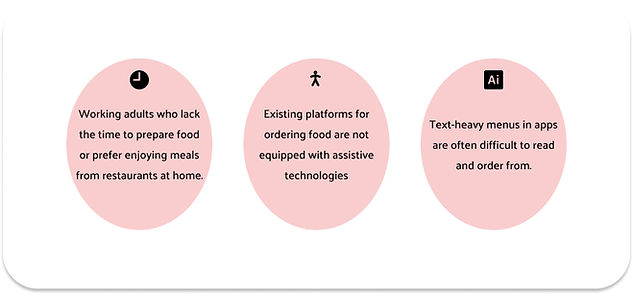
I conducted user interviews to understand their needs and pain points conducted interviews and created empathy maps to understand the users I was designing for and their needs. Through my research, I identified a primary user group of working adults who lack time to cook and prefer ordering food from outside. While this group confirmed my initial assumptions about GrabEat customers, further research revealed that time was not the sole factor limiting users from cooking at home. They also faced challenges related to obligations, interests, or difficulties acquiring groceries for cooking or visiting restaurants in person.
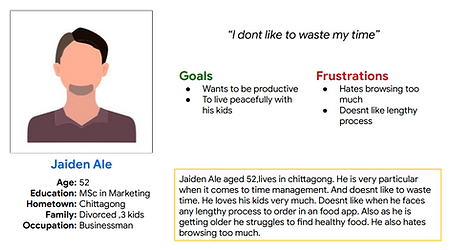
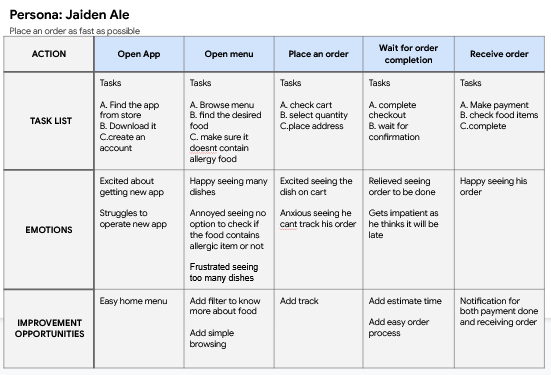
Jaiden Ale is a busy businessman who does not have time to cook or go to restaurants. He needs a simple and efficient way to browse and quickly place food orders.
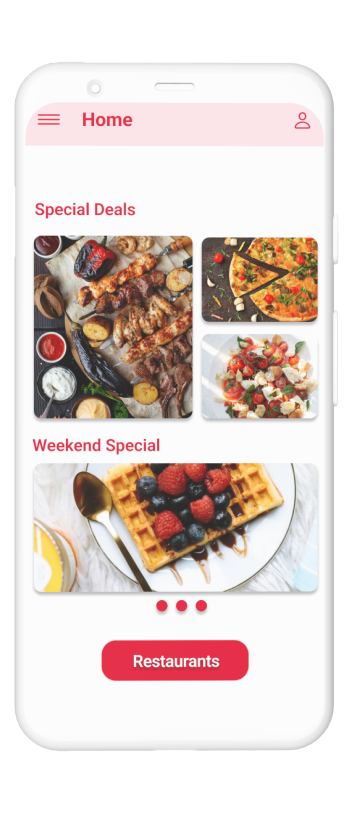
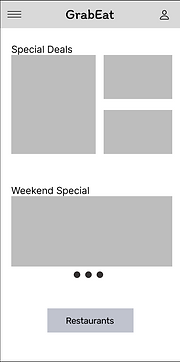
To ensure consistency with customer pain points, I sketched out multiple iterations of the app's interfaces on paper. The home screen was a primary focus, with an emphasis on a quick and straightforward purchase procedure to save users time.
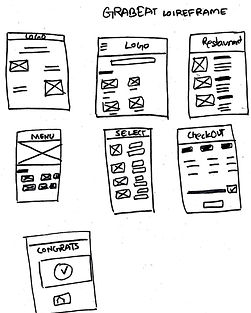
To ensure consistency with customer pain points, I sketched out multiple iterations of the app's interfaces on paper. The home screen was a primary focus, with an emphasis on a quick and straightforward purchase procedure to save users time.
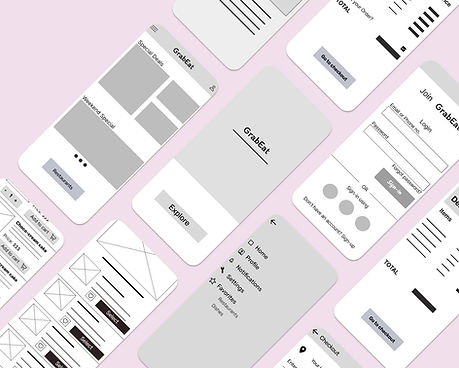
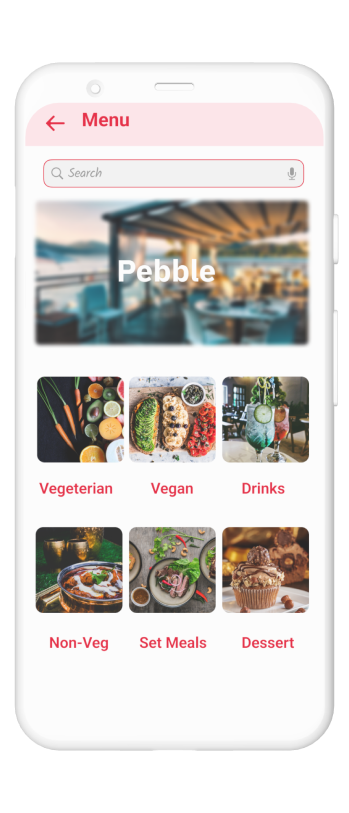
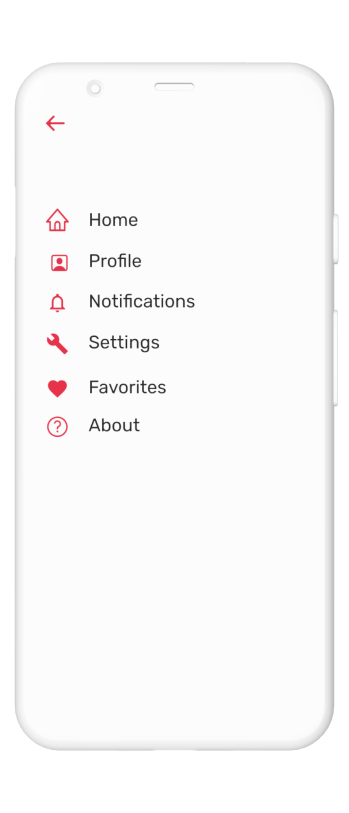
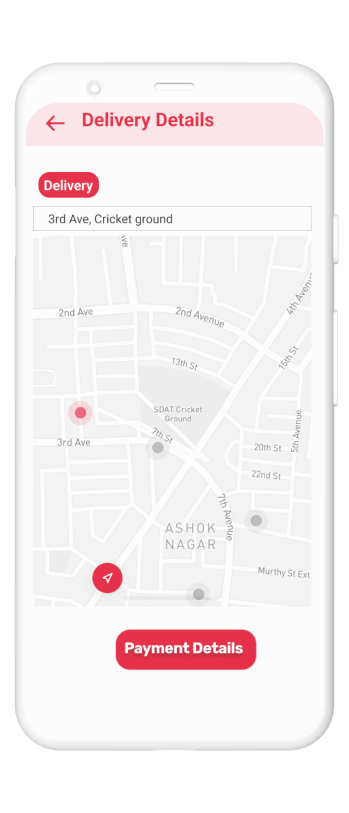
The final high-fidelity prototype presents cleaner user flows for ordering a dish and checkout. It also meets user needs for pickup or delivery options as well as more customization. View the GrabEat food delivery app
View the low-fidelity design prototype here.
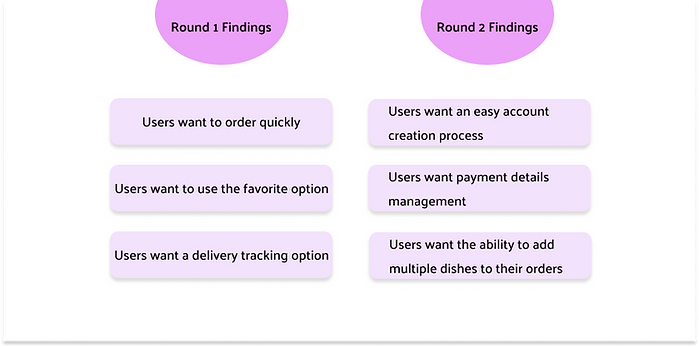
I conducted two rounds of usability studies to gather feedback on the GrabEat app. The findings from the first study played a crucial role in guiding the design progression from wireframes to mockups. In the second study, a high-fidelity prototype was used to identify mockup areas that required refinement.
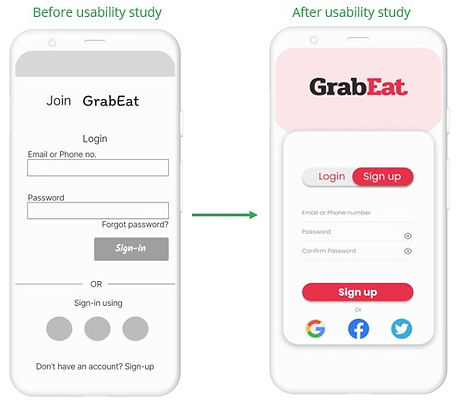
Based on user feedback and insights from usability studies, I enhanced the mockups to address issues encountered during the account creation process. I wanted to improve the user experience overall, so I optimized and simplified the steps, provided clear directions, and added necessary form fields.
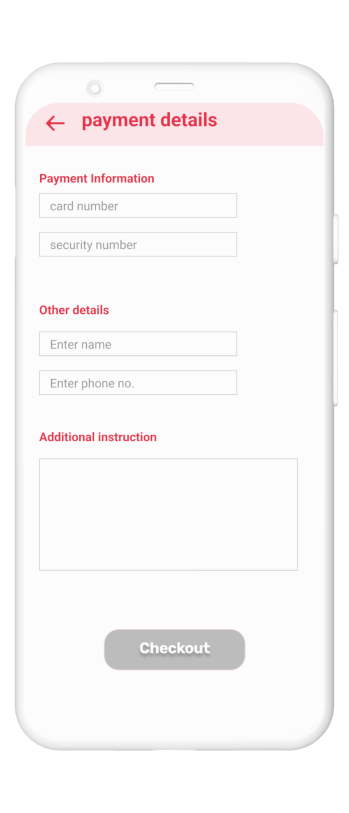
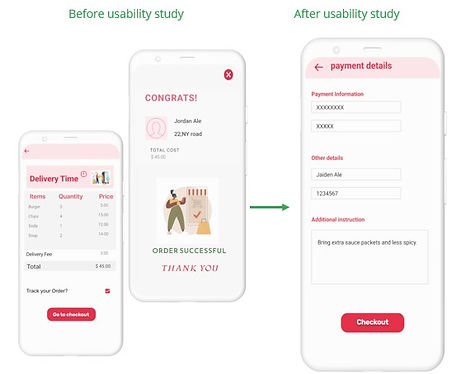
Following the second usability study, it was discovered that users were experiencing difficulties with the checkout process. To address this issue and improve the user experience, I implemented an additional payment details option to streamline the procedure and ensure a smoother flow.
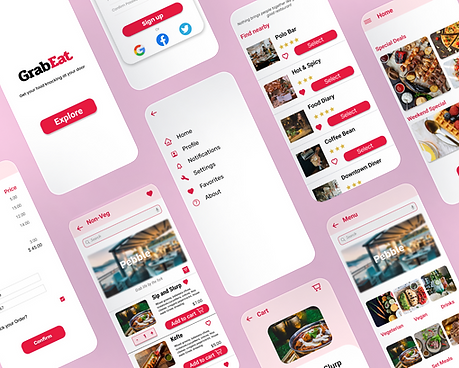
The final high-fidelity prototype presents cleaner user flows for ordering a dish and checkout. It also meets user needs for pickup or delivery options as well as more customization.
View the GrabEat food delivery app here.
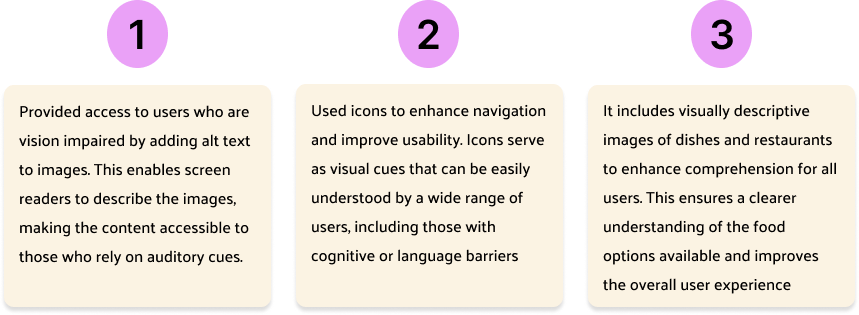
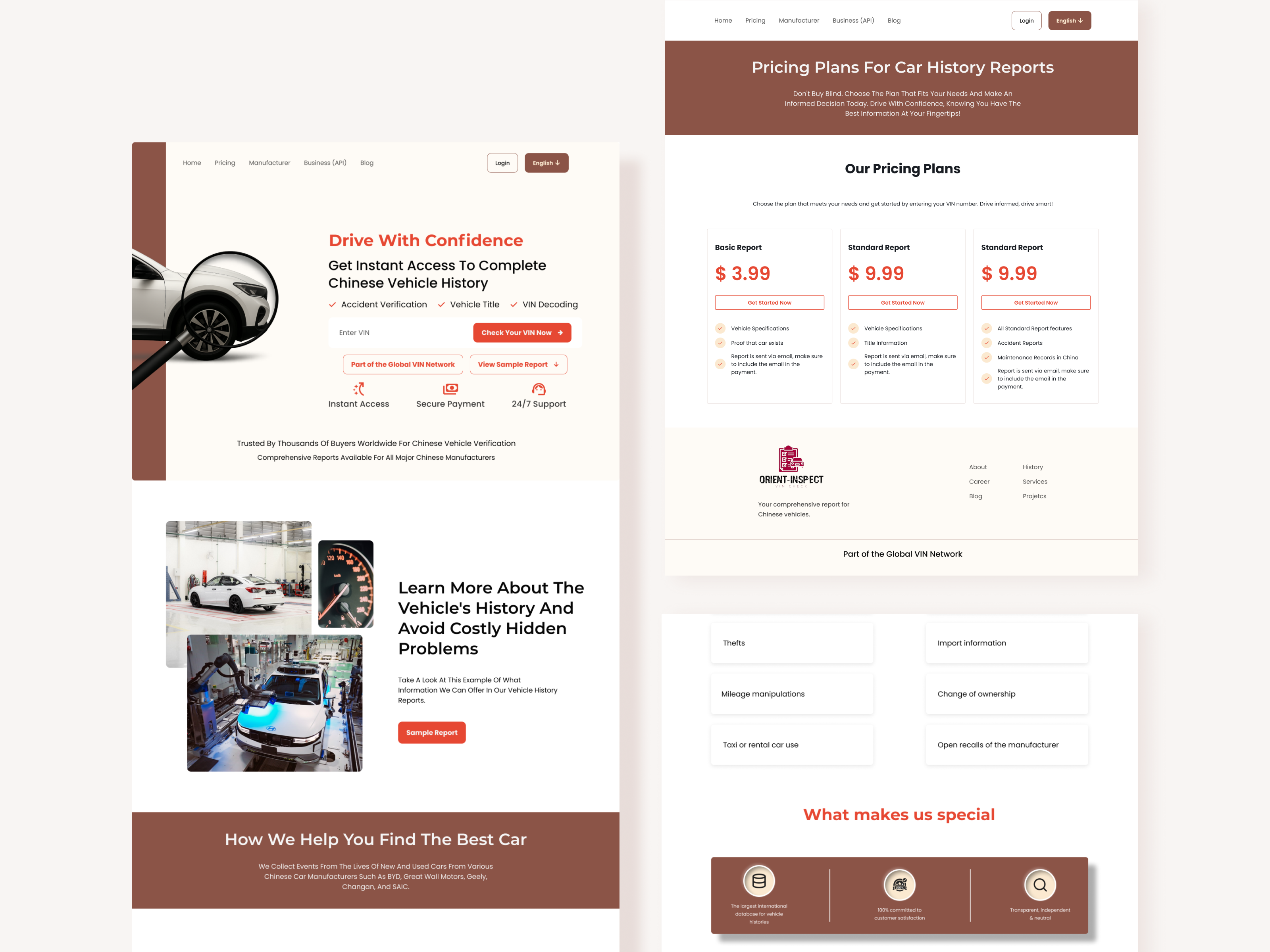
As part of this project, I have created a landing page website for GrabEat. This website serves as an additional resource where you can explore the design, features, and functionality of the app in more detail. Please visit the GrabEat landing page website here to experience the app firsthand and learn more about its user interface and overall concept.